
Canadian pet owners surveyed

Canada’s Pet Wellness Report is put together by the Canadian Veterinary Medical Association and Hill’s Science Diet and gives an interesting view of Canadian pet owners. There are around 7.9 million cats and 5.9 million dogs in Canada, and around 35 percent of households have at least one dog, while 38 percent have at least one cat.

Findings suggest that while pet owners adore their pets, pet lives can be enhanced and lengthened by improving pet owners’ knowledge of nutrition and health.

Overfeeding is the most common mistake pet owners do, and people are likely to consider the pet’s taste preference (60%) before what’s actually good for the pet’s health (33%). Veterinarians believe that pet owners are more likely to pick pet food depending on price than nutrition.

The report also shows that weight control is the most important thing to increase pets’ life spans. Fewer than 8 percent feed their pets the amount recommended on the food package. Weight control and exercise go hand in hand. Pet owners know that exercise is important, but still spend three times as much time watching TV and twice as much time on the Internet as they do playing with or exercising their furry friends.

Top five most common mistakes when feeding dogs or cats – according to vets

  1. Overfeeding
  2. Giving too many treats
  3. Making food available at all times
  4. Poor quality food
  5. Human food/table scraps

Five most important things a pet owner can do to increase their pet’s life span

  1. Weight control
  2. Dental care
  3. Regular exams
  4. Exercise
  5. Proper food for the pet’s life stage

The most common health problem – also the one that surprises the most pet owners – is dental health. Dental problems are often followed by organ damage, strokes, osteoporosis, and diabetes.


North Carolina inmates have been training dogs for 10 years

North Carolina participates in a “New Leash on Life” program, teaching inmates to train dogs. The program has been a success; working with dogs inspires compassion, patience, and teaches a possible future career. The Correctional institution also offers a vet tech program.

The dogs come from shelters, and during the past ten years, thousands of dogs have gone through the eight week program, learning basic behavior and socialization. 92 percent of dogs that has gone through the training are adopted.

Professional dog trainers volunteer, teaching the inmates, and sponsors pay for food and medical treatments.

Don’t give up on your dog when it’s a teenager

A dog is most likely to be surrendered to a shelter when it is between nine and eighteen months old. At this age dogs have grown out of the super-cute puppy stage and look like adults, but they don’t act adult, and families unprepared for this phase of life often give up. Adolescence can be as difficult for a dog as it is for a human.

Adolescent dogs are super-curious and want to discover the world with all their senses. They dig, they chew, run away to explore, jump, and challenge authority. For many, everything is a game, and their attention span is… squirrel!

On top of all this, they have so much energy it takes super-human stamina to keep up. This is when many give up, and instead of helping their dog to become a well balanced adult, they send their pet off to a shelter and probable death.

It is always important to choose a dog breed that works well for the family, but it is extra important when picking  a puppy. Some breeds get through this period in life easier than others.

Working breeds are often particularly difficult; they have a lot of energy, high intelligence, and need a job. If they don’t get something appropriate to do, they will make something up. Some working breeds – like Border Collies – are often considered adolescents up until they’re three years old, so in addition to the difficult period being more intense, it also lasts longer.

So, how do you survive, stay sane, and keep your dog?

Provide plenty of exercise. Consider crating your dog when he or she is unsupervised. Keep training the dog, and make training sessions fun. Thinking games often wear dogs out better than physical exercise. Above all, remember that this is a phase that will eventually go away.

World’s oldest cat turns 24

Poppy is a British kitty living in Bournemouth with her family consisting of four humans, four other cats, a hamster, and a rabbit. She recently celebrated her 24th birthday with a cake made from cat food, and is the world’s oldest living cat.

She has lived through four US presidents and still rules the house, but her age is starting to show; she has lost her hearing and vision. Though, the family says she is still quite feisty and defends her food from the other cats.

Poppy likes canned and dry food, KFC chicken, kebab, and fish and chips.

The oldest cat ever recorded was named Creme Puff and lived in Texas. She became 38 years old.

Poppy is the world's oldest now living cat and recently celebrated her 24th birthday.
Image from www.nbcnews.com

Kitty cam success

KittensWhen John Bartlett set up a webcam to watch his foster kittens, he did not expect to become a worldwide phenomenon. His camera shows kittens eating, sleeping, rolling around, and other pretty uneventful stuff that cats do.

The camera has become a great success; the website komonews.com reports that Bartlett has hundreds of people watching sleeping cats for hours.

Watching the cats help people all around the world de-stress. People Magazine posted a link to his site, and and he now has over 20,000 regular viewers.

The cam has led to even more than that: cat lovers have started talking in chats while watching the footage, and recently a convention of cat fans from all around the globe met in Seattle. The web cam inspired people to come all the way from Australia to talk about cats.

Barlett fosters for Purrfect Pals, and his goal with the kitty cam is to get attention for the rescue and the important role fosters play in the lives of homeless pets. He says every cat that has been featured on the camera has been adopted, and he has found homes for nearly 200 kittens.


Big gap between thinking and doing when it comes to pet exercise

Joy!A recent study of Canadian pet owners made by the Canadian Veterinary Association together with Hill’s Science Diet reveals an interesting discrepancy of what pet owners’ think is important and what they actually do.

When asked what the most important thing is when it comes to enhance the length and quality of a pet’s life, most owners answered exercise. When veterinarians get the same question, exercise comes in as the fourth highest priority.

However, knowing that something is important is not the same thing as doing something about it; on an average weekday, Canadian pet owners spend 79 minutes watching TV, 48 minutes browsing the Internet, and 25 minutes playing with or exercising their pets. On average, women do a little better than men. Women spend 28 minutes playing with or exercising their pets, and the corresponding number for men is 19 minutes.

According to veterinarians, 55 percent of dogs and 70 percent of cats do not receive sufficient exercise to maintain good health.

On an average weekend day, the TV watching increases to 89 minutes, the Internet surfing sinks a little to 44 minutes, and pets get 29 minutes.

Overfeeding and obesity are the main issues amongst Canadian pets, and time spent together playing or exercising is a great way to strengthen the bond between humans and pets.

Petco withdraws pet treats made in China

Petco withdraws pet treats from China. Cases like this have made the news for several years. The first cases were reported in 2007, and ever since they have been connected to pet deaths, but authorities have been unable to pinpoint exactly what is wrong. By now, over 1,000 dogs are reported dead in connection with Chinese jerky treats, and Petco has decided to withdraw all pet treats made in China.

Petco has over 1,300 stores nationwide, and the Chinese treats will be removed from each one, including Unleashed by Petco and online at Petco.com. The process will be completed before the end of the year.

According to a recent FDA report, over 4,800 complaints have come in regarding chicken, duck, and sweet potato jerky treats from China. These reports mostly involve dogs falling sick, but also 24 cats and three people.

The FDA cautions pet owners that jerky pet treats are not required for a balanced diet, and to consult with a veterinarian before feeding this type of treats and if noticing any symptoms. Follow this link to learn how to report a complaint to the FDA.

Dog finds abandoned baby

Dogs with their keen senses can find the strangest things, and bring home everything from golf balls to half a tree. Most doggie parents would not expect what these dogs found:

February 2013, a dog found a newborn girl abandoned in a plastic grocery bag in Cypress, Texas. State law allows anyone to drop a newborn off at a hospital or fire station with no questions asked. Abandoning a child outside, on the other hand, is a crime. This incident was the third in a short period of time where children were abandoned in the area.

June 2013, a dog in Thailand went exploring on his own, and found a newborn who had been wrapped in a plastic bag and thrown into a garbage dump. Pui brought the bag home and got a medal from the Red Cross for his good deed.

October 2013, a German Shepherd found a baby in a bag in Birmingham in the UK. This baby was later named Jade after its four-legged savior.

Even when humans let each others down, dogs are our best friends!

https://www.youtube.com/watch?v=BCUq3BvDY1Q


Can you teach a dog to swim?

Labrador RetrieverAssuming the dog breed is physically able to swim – not all dogs can swim – how do they learn to do so?
Dogs will instinctively paddle when they enter water. Some dogs love water at first sight, plunge in, and might not want to come out again. Others are reluctant and even scared.

If your dog doesn’t take to swimming immediately, here are some tips that might help them along:

  • Encourage the dog by going out in the water yourself and calling for them. If they follow you, reward with praise.
  • If your dog likes to play fetch, they might follow a floating toy or tennis ball into the water. Start at a shallow depth and go gradually deeper.
  • Many dogs want to join in if they see people or other dogs having fun in the water.

As with all training it is important to stay calm. Some dogs will never like water. We might feel that they’re missing out, but should still respect it.

If your dog turns out to love swimming, it is still up to you to think of safety. Older dogs and puppies tire quickly, and they often don’t realize how tired they are until it’s too late to turn back. Watch out for strong currents and underwater debris that can ensnare the dog.

Many dogs who don’t like water still enjoy an outing to the beach. Non-swimmers should wear a life vest. This is particularly important for breeds such as Bulldogs who are physically unable to swim. If the sand is hot, protect the sensitive paws. Make sure there’s access to shade and cool drinking water, and be attentive for signs of heat stroke.

K9s for Warriors provide support dogs for military veterans with PTSD

PTSD, or Post Traumatic Stress Disorder, is most often associated with military veterans, but can affect anyone. PTSD is triggered by facing a situation “larger than oneself,” such as a car accident, home invasion, robbery, death of a loved one, natural disaster, or working in any type of medical or emergency field. These situations don’t necessarily lead to PTSD, but they can.

The symptoms are as varied as the causes, but the most common include nightmares, sleeplessness, recurring memories, irritability and anger, feeling numb, a sense of never being safe, and fearing crowds. This is difficult for the person afflicted with PTSD, of course, but also for loved ones who often have a hard time coping with personality changes and seemingly irrational behavior.

PTSD is common. Almost 8 percent of Americans will experience it at some point. The number is much higher amongst military veterans. Almost 29 percent of veterans treated at VA medical centers have the diagnosis.

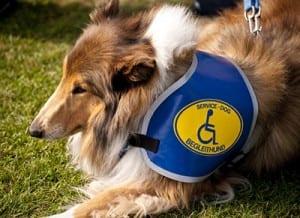
service dogFor many who suffer PTSD, dogs are invaluable. A dog can give comfort and companionship without the need to talk. They help break out of isolation and keep depression at bay.

K9s for Warriors is an organization in Ponte Vedra Beach in Florida. They specialize in rescuing dogs from shelters and training them as service dogs for military troops and veterans.

The dogs are trained to perform special tasks, such as fetching things for veterans with physical disabilities. If someone feels uncomfortable in a crowd, their dog can be taught to “cover and block” which means standing between their person and any approaching people. PTSD service dogs are unique. Some dogs excel at the job, others aren’t suited for it.

Many who don’t feel comfortable in crowds are able to trust their dog more than they trust themselves. Dogs are great observers of environment and body language, and dog often picks up on danger before a person. If a dog is relaxed, whatever danger the person perceives probably isn’t real.

Since the service dogs are rescues they come in all forms and sizes, and the person needing a dog is matched with one that will be suited for his or her needs. A tall person uncomfortable in crowds will need a taller service dog than a shorter person. The dogs are also trained to perform different tasks, and the organization strive to match the exact right dog with the right person.

Training one service dog costs around $10,000, and K9s for warriors are funded solely by private donations.

PTSD is not about what is wrong with a person; it is about what happened to a person. Everyone can help through showing common sense and respect. Don’t insist that your children be allowed to touch a service dog. If a person shies away from you, it might not be because he or she doesn’t like you; something in the past can have made the person sensitive to touch.

If you want to learn more about PTSD and service dogs, visit K9s for warriors. You can also read more at the National Center for PTSD.

Traveling with pets and medical needs

Dogs, cats, and other pets are good for a person’s health. They create a sense of stability, they are good company, reduce stress, combat depression, and lower blood pressure. Pets are particularly good for the elderly.

Med Transport Center in St. Petersburg, Florida, took these facts into account when they planned their new service; medically equipped motor homes that come with two drivers and a nurse. Besides providing physical comfort, pets are welcome to travel with the guest.

Traveling out of state or across the country can be necessary and harrowing, especially for a person suffering dementia. Being able to bring a pet can give comfort and provide a sense of stability.

Smaller animals travel best in a crate, and larger dogs need to be on a leash.

Besides transportation to and from medical facilities the company also offers a vacation option to help someone with special medical needs experience the country, along with their pets. Dogs are the most common guests on the trips, but cats and birds have also tagged along.


Pets are good for the health

Five Frequently Asked Questions about Cats

Cats are curious and sometimes act in ways that can drive humans crazy. They don’t do it on purpose; being naughty just sort of happens. Here are answers to five frequently asked questions about cats.

Q: Why does my cat push things down from my shelves?
A: Cats are curious, and easily bored. Your cat probably wants something to do. Even if there’s a plethora of cat toys around the house, they might have grown old and boring, and your kitty might want something new. Take time to play with your cat, and invest in some fresh toys.

Q: Do cats wag their tails when they’re happy?
A: Cats aren’t like dogs, and they normally don’t wag their tails because they’re happy. On the contrary, a cat swishing their tail indicates agitation. They wag their tails if they’re annoyed or see something that doesn’t please them. Not the best time to pet the cat!

Q: If a cat sleeps on a person’s lap, does that mean they like the person?
A: Yes. Sleeping makes a cat vulnerable, and sleeping on your lap means that you are trusted. As a bonus, your lap is probably warm and comfortable.

Q: Do cats really have a great sense of direction?
A: Some cats do, and can find their way across amazing distances. Don’t rely on it. Keep a collar on your cat with a tag, and microchip your feline friend. The outdoors can be intriguing and overwhelming for indoor kitties getting out, and even the most experience outdoor cat can get into trouble.

Q: Why does my cat bite me?
A: Cats bite for a lot of reasons. It might be because of play aggression or over stimulation, but also a way of saying, “Stop that.” Think about what you’re doing when your cat bites you.

Border Collie rescue works at MacDill Air Force Base in Florida

MacDill Air Force Base is located right outside Tampa, Florida. The area has large numbers of birds, which don’t go well together with the massive KC-135 aircraft that take off and land on a daily basis; a bird strike can cause serious damage to an engine, and cost large amounts of taxpayer dollars to repair. 

The air force base has found an innovative solution. They employ Sonic – a border collie rescue dog – to keep the runways clear of birds, and she performs this duty on a daily basis. Sonic doesn’t hurt the birds, but scares them off, and does so more efficiently than more high-tech options.


Watch out for heatstroke in pets

Watch out for heatstrokeDogs can’t sweat. They pant to cool themselves off, but it’s not the most efficient system. Another risk for dogs is that they’re generally eager to please their owners and will not stop playing or even indicate that something is wrong until it is too late and heatstroke is a fact.

When it comes to cats and dogs, the pets most susceptible to heatstroke include:

  • Pugs, Bulldogs, and other short snout dog breeds
  • Persians and other cats with flat faces
  • Sick and elderly pets
  • Cats and dogs with heart conditions
  • Dogs who exercise in hot weather
  • Dogs who have airway problems or snore
  • Overweight pets
  • Cats and dogs who recently relocated to a hotter climate
  • Any pet who has had a heatstroke before. They are at higher risk of getting it again.

Heatstroke is a real problem. It can lead to kidney failure, liver failure, brain damage, swelling of airways, lung damage, seizures, muscle damage, bleeding disorders, and even death.

Make sure your pets have access to a cool area. If you don’t have AC, use fans to increase the circulation in the house. Always make sure your pets have access to cool water.

Pet doors allow cats and dogs to come back inside when they want to. An energy efficient dog door or cat door such as the PlexiDor dog doors and cat doors will ensure that the heat stays outside.

Symptoms of heatstroke include:

  • A blank stare or anxious expression
  • Heavy panting and possible raspy breath
  • Bright red gums
  • Salivation
  • Throwing up
  • Stumbling, falling, or collapsing
  • Elevated temperature
  • Lying flat on cool surfaces
  • Pet’s skin feels warmer than normal
  • Seizures

If your pet shows any signs of heatstroke, hose them down so their panting slows. Small animals can be sprayed with a spray bottle of water set at a fine mist. The water helps prevent the body temperature from raising further.

Call the vet. Heatstroke is serious and this is not a time to apply a wait-and-see approach.

When you go to the vet, keep the AC on in the car to keep the pet as cool as possible. If you don’t have air-conditioning, make sure to keep the windows down. Just watch the pet so they don’t jump out of the car!

At the vet, treatment can include intravenous fluids, blood tests, and oxygen. Severe cases of heatstroke require hospitalization up to ten days.


New bill will protect Philadelphia’s pets

Don't leave your pets outside on hot daysA new bill is close to changing lives for many Philadelphia dogs and cats. It will soon be illegal to leave animals outside in extreme weather, and disobedient owners will face fines.

Dogs have less ability to handle heat and cold than humans do, but many dog owners still believe it’s okay to leave their pooch outside in scorching heat or freezing cold. The bill is intended to give legal protection, but also to raise awareness amongst pet owners.

When the bill passes it will be illegal to leave a pet outside in temperatures exceeding 85 F, in temperatures below 32 F, or in sleet, snow or wind that can threaten the safety and health of an animal. It is still allowed to take animals outside for brief walks and exercise, but dogs cannot be left in doghouses.

Many believe a dog house offers protection from the element, but in cold days, the inside of a dog house might be even colder than the surrounding world, and in hot days, the dog house can serve as an oven.

A dog door can be an elegant solution to the problem of being away long hours at work, allowing the pet to go in and out as required. Many worry about drafts and snow entering the house in winter, and losing air conditioning in summer, but modern pet doors such as the PlexiDor dog doors and cat door insulate very well.